
What Adam Blair Would Tell His Younger Self
When you're 15 and sport is going well, longevity probably isn't the first thing on your mind.
You think about playing better, getting selected, becoming stronger and making the most of the next opportunity. Recovery can easily feel like something to worry about later.
Adam says he thought much the same way.
Asked what he would tell his 15 year old self now, one of his first answers was to prioritise recovery for longevity in sport. He also wishes he had understood earlier how much looking after his body during his playing years could benefit him later in life.
That perspective only came with experience.
After a career spanning hundreds of games, injuries, demanding training schedules and the pressure to perform week after week, Adam came to understand that what happens between performances can matter almost as much as the performance itself.
Why Recovery Became More Important Throughout His Career
Early in his career, Adam admits he didn't always believe he needed to focus heavily on recovery.
As the seasons accumulated, that changed.
Stretching, good nutrition, sleep and recovery gradually became more important parts of his routine. They helped him think beyond simply getting through the next session and towards keeping his body capable of performing consistently across a long career.
That's particularly relevant in a sport like rugby league, where athletes are expected to repeatedly perform under significant physical pressure.
Adam describes his career as one built around results. Players need to turn up ready to perform week after week, regardless of the physical demands of the previous game.
That consistency doesn't happen by accident.
The Recovery Habits Adam Wishes He Started Earlier
Recovery doesn't necessarily need to involve complicated routines.
The habits Adam now values most are also some of the most fundamental:
· Stretching regularly
· Prioritising quality sleep
· Eating well and fuelling appropriately
· Building consistent recovery routines
· Looking after injuries rather than simply pushing through them
· Using appropriate compression or support when needed
These are habits Adam admits he didn't always prioritise when he was younger. Today, they are lessons he actively encourages his children to adopt in their own sporting lives.
The key is consistency.
There is research behind making sleep a priority. In a small Stanford Medicine study on sleep and athletic performance, 11 university basketball players improved sprint times and shooting accuracy during practice after extending their sleep over several weeks.
Nutrition matters too. A 2013 study on protein intake during recovery from resistance exercise, involving researchers from RMIT University and the Australian Institute of Sport, found that distributing protein intake evenly increased muscle protein synthesis more than less frequent, larger servings in 24 trained men. The study measured a short-term muscle response, rather than long-term sporting outcomes.
A single stretch, good night's sleep or recovery session won't determine a sporting career. But repeated over months and years, these habits can become part of how an athlete prepares their body to keep performing.
Looking After Your Body Beyond Professional Sport
One of the biggest changes after retiring from professional sport is losing the structure that comes with being a full-time athlete. During his playing career, Adam had training schedules, recovery facilities and professional staff around him, so looking after his body was built into everyday life.
Retirement meant taking greater responsibility for that routine himself. His motivation has changed too: staying active is no longer about preparing for the next professional game, but about being able to work, stay healthy and, perhaps most importantly, keep up with his children.
Running around with his kids is now one of the biggest reasons Adam continues to look after his fitness and recovery. It’s a reminder that recovery matters far beyond elite sport, whether you're playing weekend football, running, cycling or simply trying to stay active with your family.
Passing Better Habits on to the Next Generation
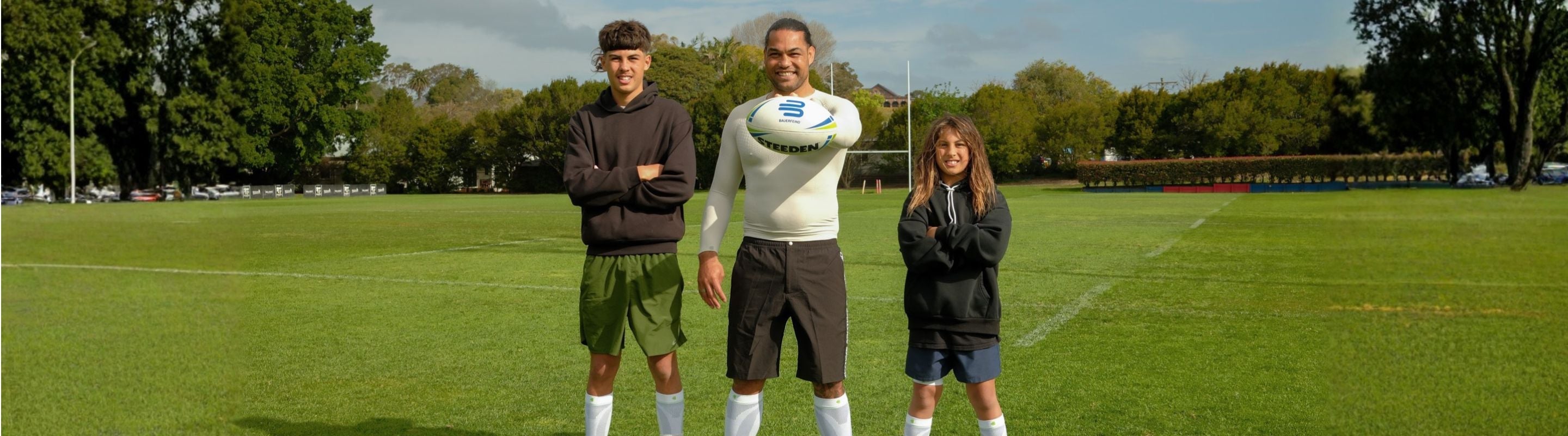
Adam's children were part of his journey throughout his playing career. Now he gets to watch them create their own. Rather than expecting his children to follow exactly in his footsteps, Adam wants them to build their own path while benefiting from some of the lessons he had to learn through experience.
Recovery is a big part of that. He encourages them to stretch, eat well, sleep well and build consistent routines around sport from a young age.
Importantly, Adam also talks about what happens away from the field. Looking after yourself isn't only about what coaches, teammates or spectators see. It's also about the habits you maintain when nobody else is watching. Those lessons extend beyond physical performance.
Adam wants his children to be hardworking, honest, authentic and willing to create their own goals rather than becoming distracted by outside expectations.
How Adam Blair First Discovered Bauerfeind
Adam's connection with Bauerfeind began in 2019, while he was still playing professional rugby league. The reason was very practical: his elbow. Repeated hyperextension throughout his career had contributed to an ongoing elbow problem that Adam compared to tennis elbow.
He began looking for something that could provide the support he needed and eventually connected with Bauerfeind.
What makes the story particularly interesting is how long the problem had been with him. Adam says he had experienced elbow issues since around 2006 and carried them through much of his 300-game career.
Looking back, he wishes he had discovered the right support earlier. Having appropriate tools available throughout his career could have given him another way to manage the physical demands placed on his body.
That doesn't mean a brace or compression garment replaces rehabilitation, conditioning or professional treatment. Instead, it can become another tool within a broader approach to staying active and managing physical demands.
For options designed for this area, explore Bauerfeind's elbow braces and supports and seek professional advice about the right fit for your needs.
Why Fit and Comfort Matter in Sports Compression
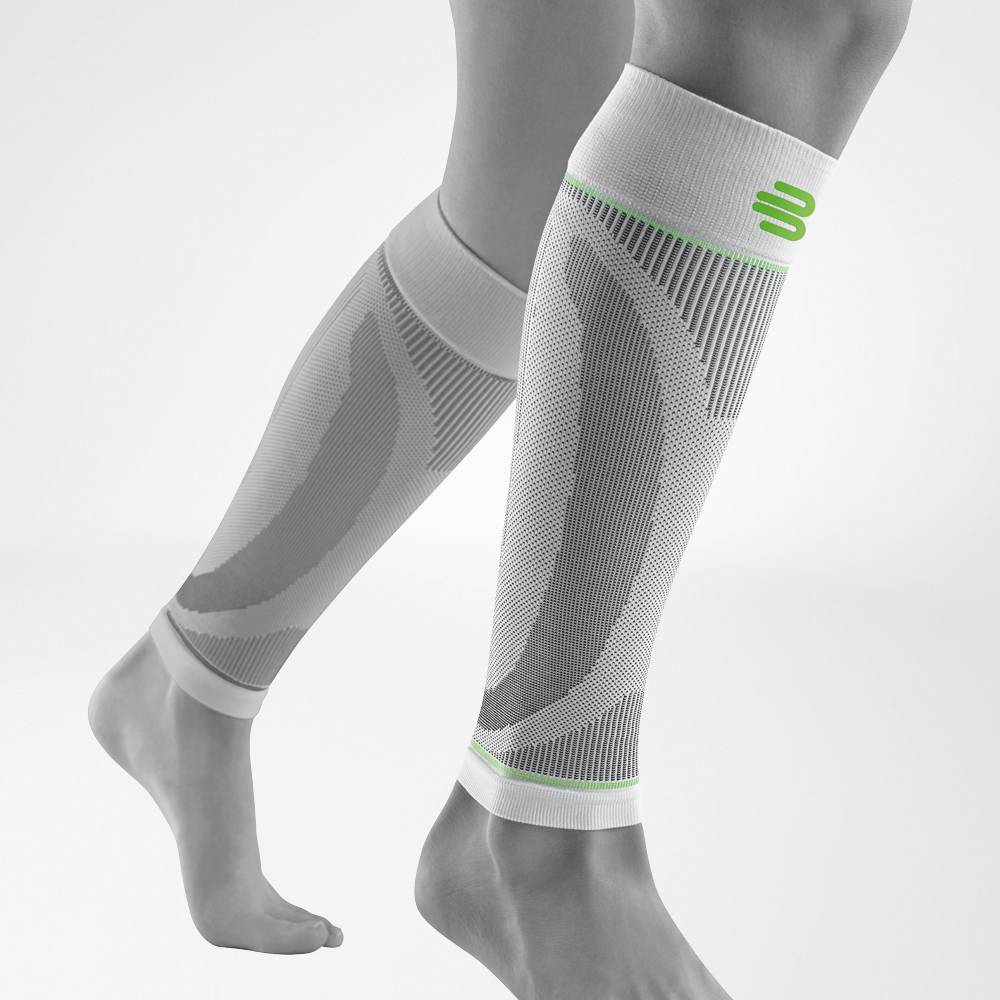
For Adam, one of the biggest differences with Bauerfeind is fit. He also values having targeted compression and support for different areas of the body, rather than relying on one generic solution.
Different sports and movements place different demands on the calves, thighs and upper body, so compression should feel supportive without restricting natural movement.

Adam Blair's First Impression of Bauerfeind Compression Wear
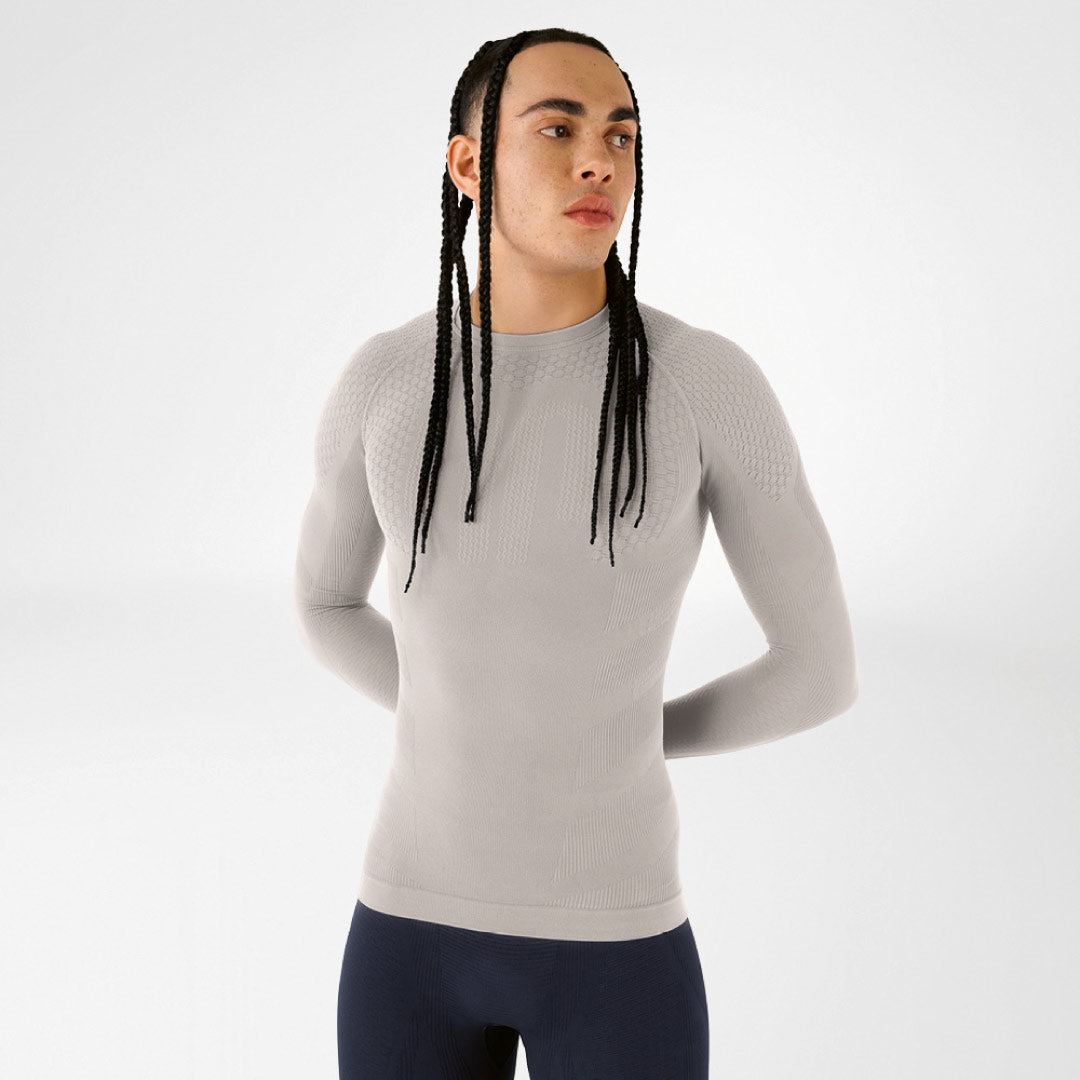
During our behind-the-scenes shoot, Adam also tried Bauerfeind's new Sports Compression Shirt.
His immediate reaction wasn't simply about how tight it felt.
Instead, he highlighted how light and comfortable it was.
Adam described the shirt as providing noticeable compression without feeling overly restrictive. He also commented that underneath a jersey or sports top, it felt unobtrusive enough that you could almost forget you were wearing another layer.
What Young Athletes Can Learn From Adam's Career
Adam's message isn't that young athletes need to behave like professional players from day one.
It's that the simple habits established early can make a difference later.
Prioritise Recovery Before You Think You Need It
You don't need to wait until you're sore, injured or struggling to perform before thinking about recovery.
Building simple habits around stretching, sleep, nutrition and recovery early can make them easier to maintain when sporting demands increase.
Don't Ignore Persistent Problems
Adam carried his elbow problem through a significant part of his career.
Pain or recurring irritation shouldn't automatically be accepted as part of sport. Persistent symptoms are worth discussing with an appropriate healthcare professional.
Consistency Matters More Than Perfection
Adam repeatedly comes back to routine and consistency.
Recovery doesn't need to be elaborate every day. What matters is creating habits you can actually maintain.
Think Beyond the Next Game
Young athletes naturally focus on immediate performance. Adam's experience shows the value of thinking longer term too: how will the habits you're building today affect your ability to stay active next season, five years from now or even after competitive sport ends?
Building Habits That Last Beyond Sport
Towards the end of our conversation, Adam returned to the idea that started it: what he would tell his younger self.
His answer came down to a handful of values:
Sacrifice. Consistency. Recovery. Honesty. Being yourself.
And one lesson tied them together:
“The habits you create now while you're young will carry you through your career if you stay consistent and recover well.”
For Adam, those habits now have a different purpose.
He's no longer preparing to play another professional rugby league game.
He's staying active for work, for his health and for his family. And perhaps that's the biggest takeaway from his story. Looking after your body isn't only about performing better today. It's about helping yourself keep doing what you love tomorrow.

Explore Support for Your Active Life
Whether you're competing, returning from injury or simply looking to stay active, the right compression and support can form part of a broader approach to movement, recovery and performance.
Explore Bauerfeind Sports Compression Wear and our range of rugby braces and supports to find the right option for your activity and individual needs.
Disclaimer
Bauerfeind compression garments, braces and supports are designed to assist with movement, recovery and functional support where appropriate. They are not a substitute for professional medical assessment or treatment.
If you experience persistent pain, swelling, weakness or recurring injury, consult a general practitioner, physiotherapist or other qualified healthcare professional for individual advice.